The Invisible Thread.
The code that took humanity to the Moon, and much further.
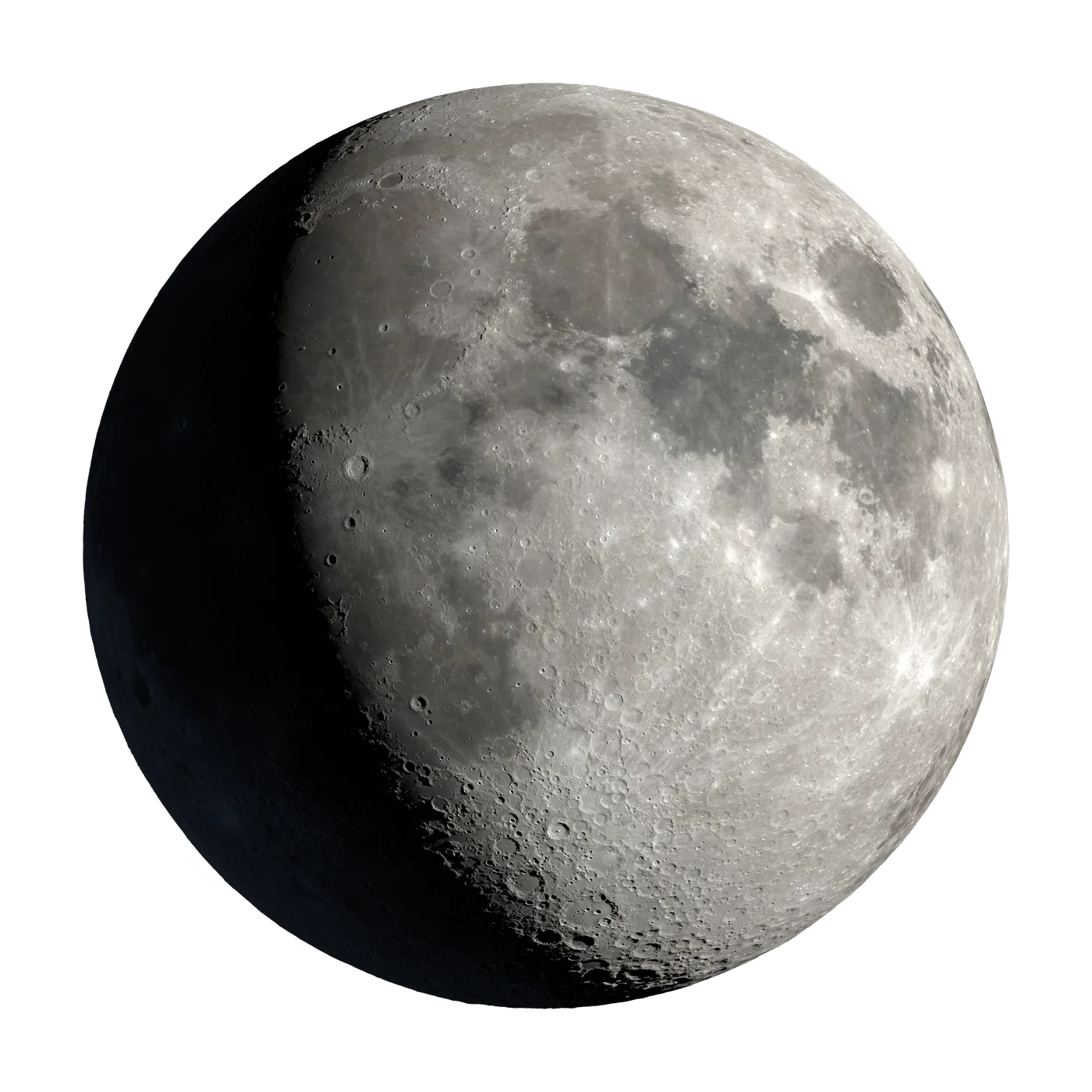
Sea of Tranquility
Apollo 11 landed here, on 20 July 1969.
Sea of Tranquility
Apollo 11 landed here, on 20 July 1969.
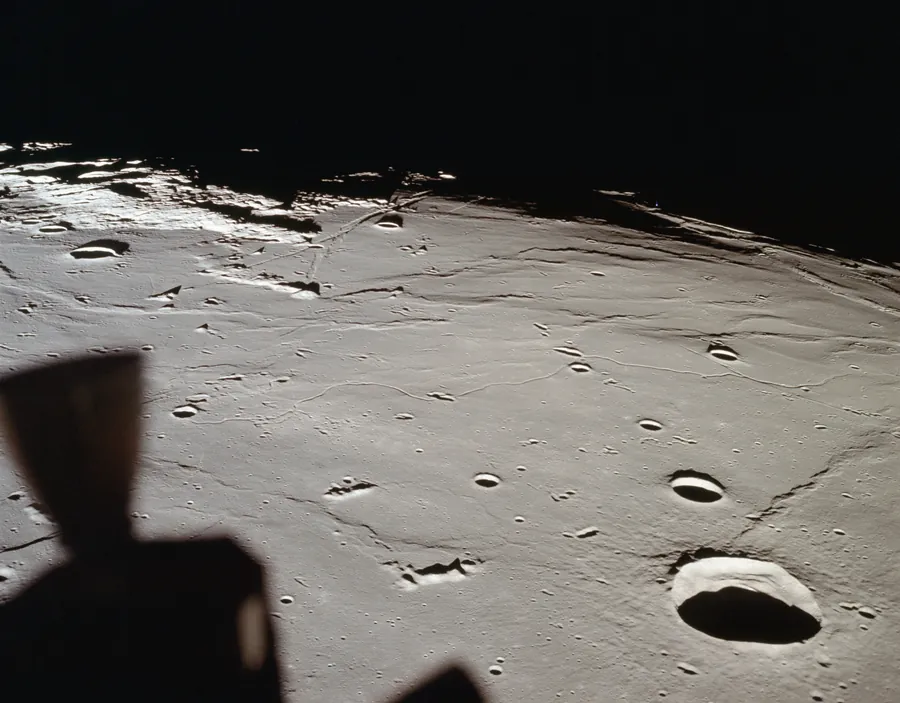
In 1969, humanity reached the Moon.
The journey depended on something almost nobody could see.
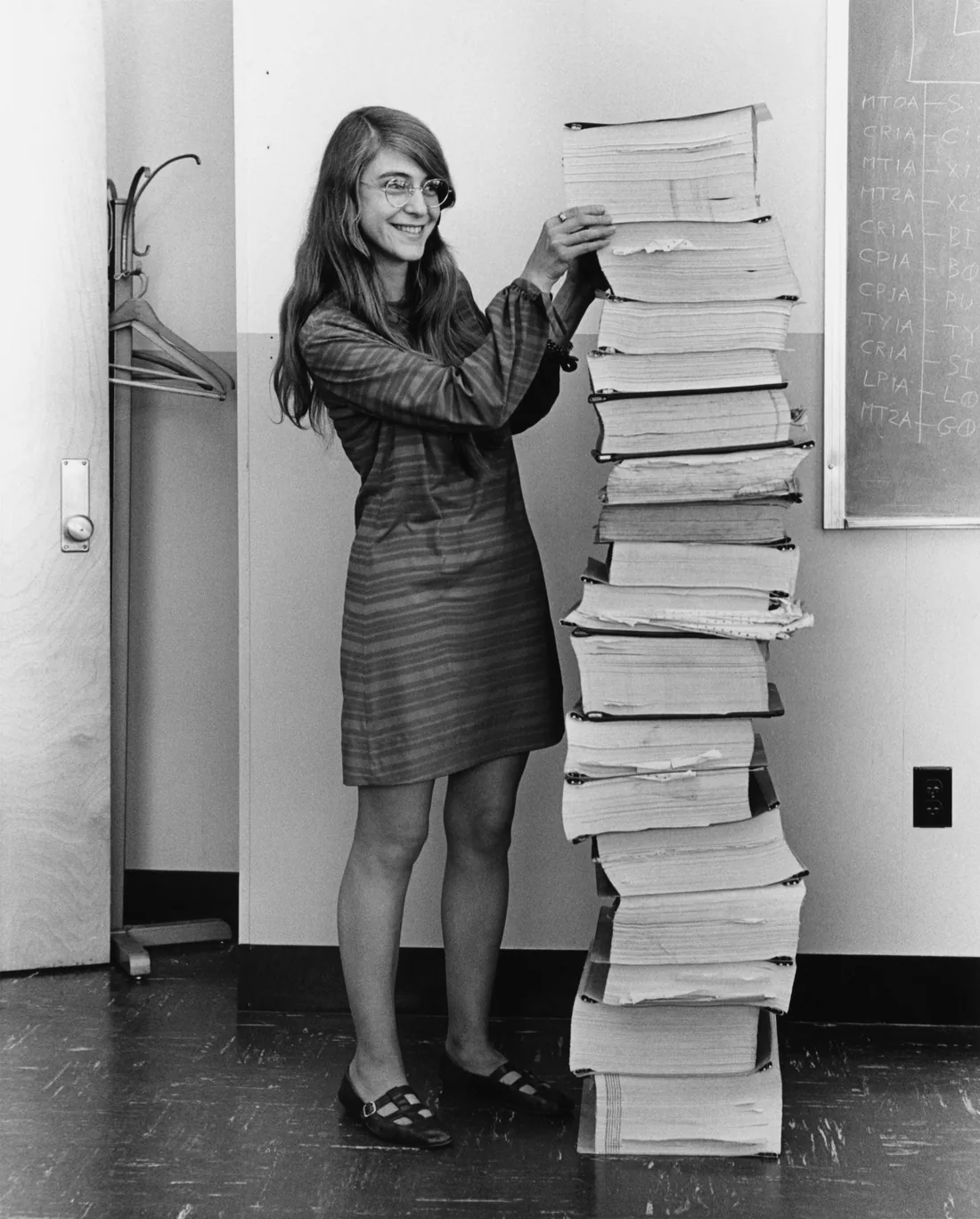
Meet Margaret Hamilton.
She led the teams behind Apollo’s onboard flight software.
Every volume, printed listings of the flight software for the lunar module and the command module.
Software was becoming essential.
It was still fighting to be taken seriously.
Hamilton began to call it by a name that set it beside every other kind of engineering:
Software Engineering.
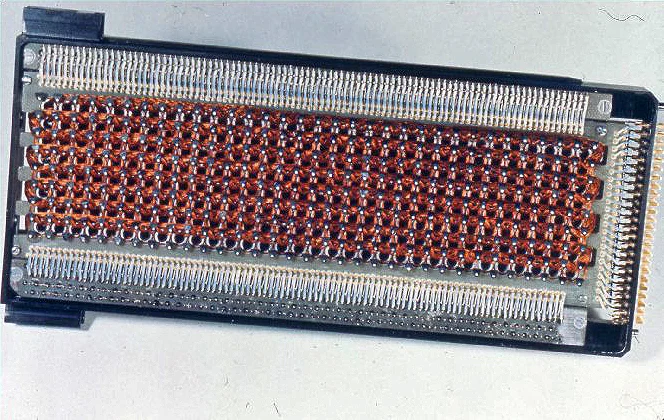
Software Engineering.Some of the software that took us to the Moon was woven by hand.
Thread the wire through the core, or around it.
Switch the cores one at a time, and the wire answers: 1 where it is threaded, 0 where it is not.
MIT Instrumentation Laboratory teams wrote the programs. At Raytheon, specialist workers, most of them women, wove them into rope.
What if something goes wrong?
At the MIT simulator, Hamilton’s young daughter Lauren once started P01, the pre-launch program, in the middle of a simulated flight.
Five days into Apollo 8, astronaut Jim Lovell made the same slip. Mission Control talked the crew through restoring the guidance platform.
She prepared for mistakes others thought would never happen.
Per aspera, ad astra: Through hardships, to the stars
P01 prepares a spacecraft standing on the pad. Started in flight, it can throw away the computer’s sense of orientation.
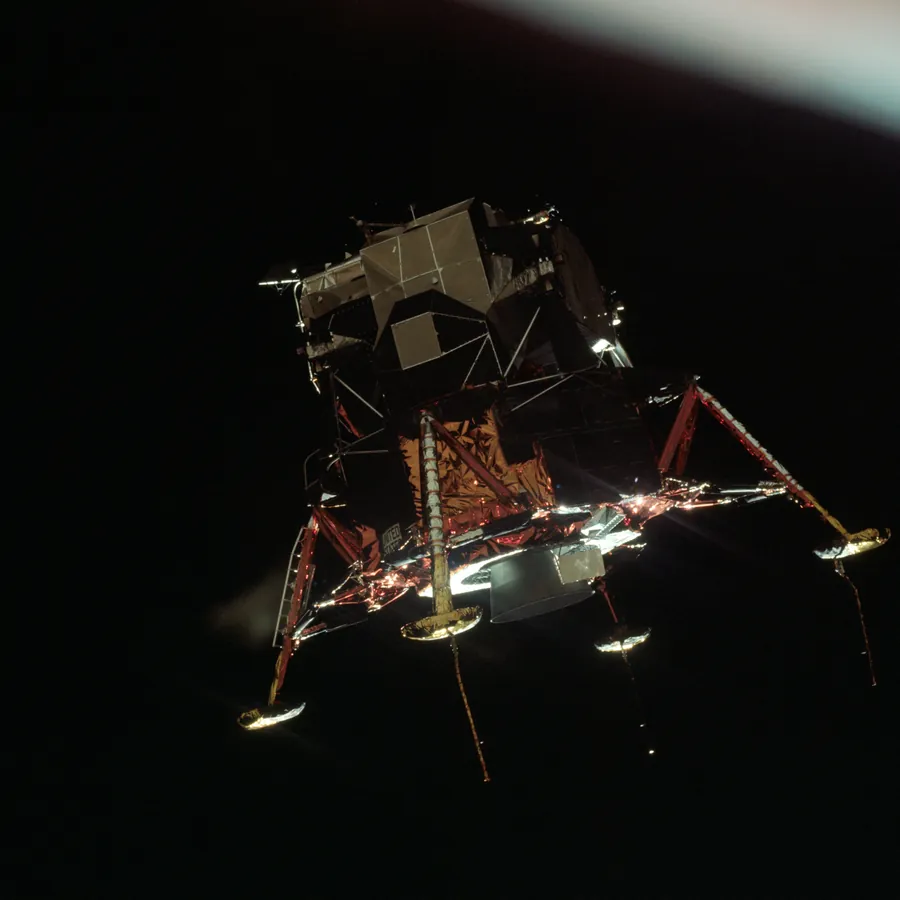
The final descent.
The software was about to face its greatest test.
1202
Calm. The computer ran its work as jobs, each held in one of seven core sets. A core set is a small block of memory a job needs while it runs.
The computer ran its work as jobs, each held in one of seven core sets.
Unneeded radar jobs kept arriving until every core set was taken.
It restarted, and brought back only what mattered.
The computer recovered by design. The decision to continue was human.
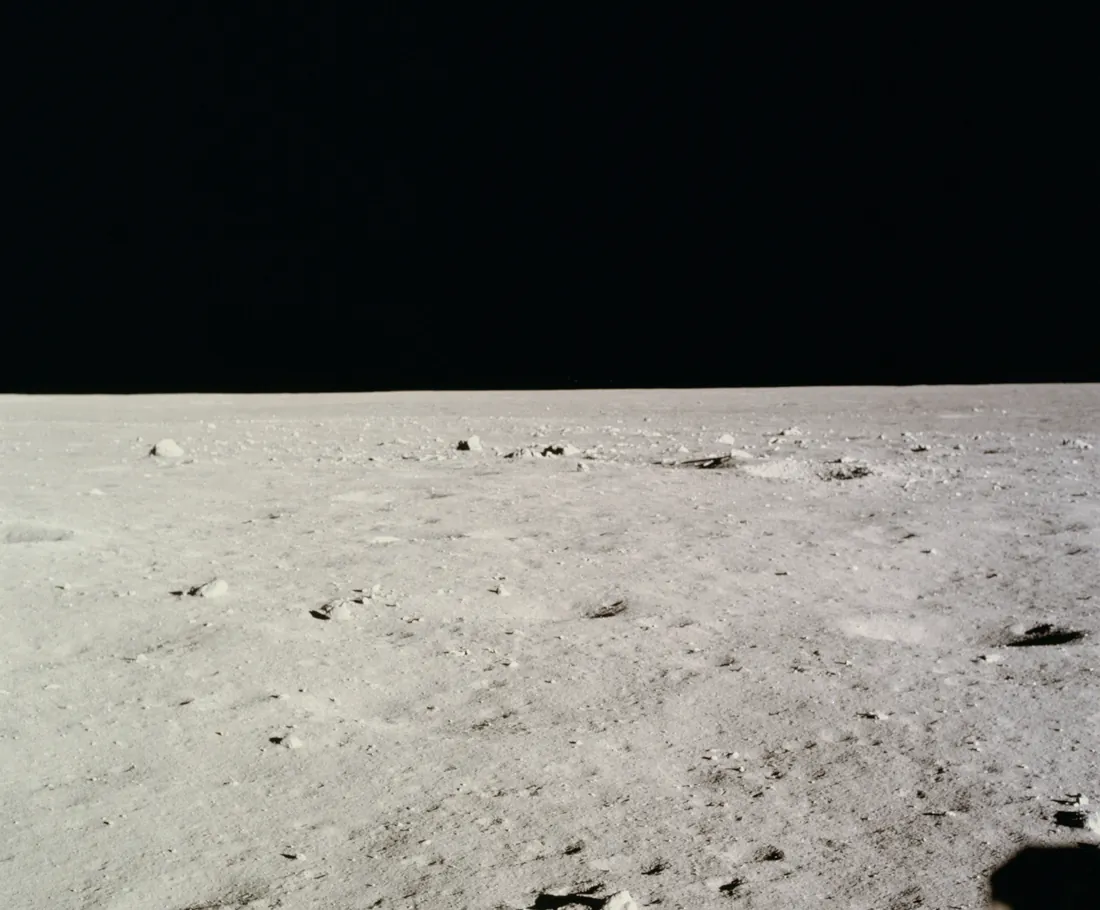
The Eagle has landed.
It was not the end of Margaret Hamilton’s story.
NEXTCORECAFCOREINCADSLOCCTRCCSEXECTEM2TCFNOVAC3LXCHEXECTEM1CAQTCBAILOUT1# NO CORE SETS AVAILABLE.OCT1202
Her work didn’t end on the Moon.
In 1976 she founded Higher Order Software, built on error prevention and fault tolerance.
A decade later came Hamilton Technologies and its Universal Systems Language, a way of engineering complex systems that puts error prevention first.
“Her software architecture led to giant leaps for humankind.”
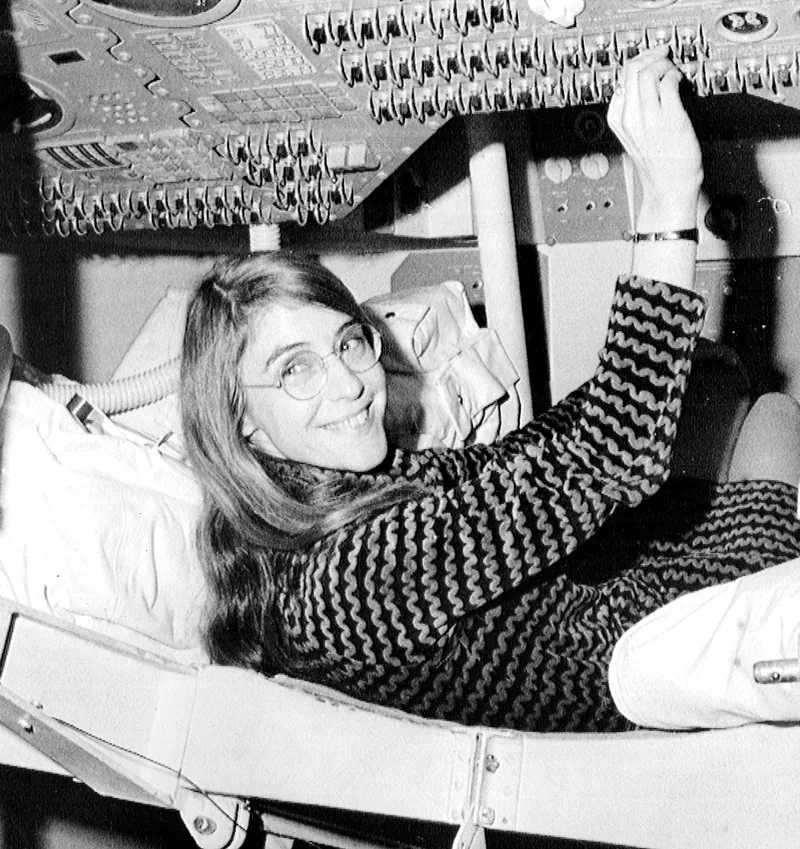
“There was no choice but to be pioneers.”